Covering 1 ZIP code
Chimney Services in Jacksonville, Texas
Chimney work across Jacksonville and the whole ZIP code area it covers: sweeping and inspection, crown and masonry repair, relining, and the flashing and cap work that keeps water out.
- Free to use, and no obligation to go ahead
- CSIA certified and carrying current liability insurance
- Covering 1 Jacksonville ZIP code
Leave the building and call from outside — that is an emergency services call, not a service call. A blocked or failed flue is one of the ways carbon monoxide reaches a living space, and headaches that clear when you leave the house point the same way. If you have had a chimney fire — a roaring sound, dense smoke, or debris on the roof — do not light another fire until the flue has been inspected.
Call about Jacksonville
(844) 785-4066No charge to you, and you are never committed to going ahead.
What happens when you call
- You describe the problem and where you are.
- We put you in touch with a licensed contractor covering that area.
- They arrange the visit and agree the price with you directly.
Worth having to hand
- Roughly how old the system is
- What it is doing — or not doing
- Your ZIP code
- ZIP codes served
- 1
- Homes built pre-1940
- 6%
- Homes heating with gas
- 49%
- Licensed & insured Every company we put you through to holds current licensing and insurance.
- Know what to ask You are told what actually decides the price, so you can judge a quote.
- Free to use There is no charge to you. Compare quotes and walk away at any point.
- Calls answered 7 days Someone picks up seven days a week, weekends included.
Chimney services in Jacksonville
What we cover in Jacksonville
Every job below is handled by licensed contractors working this area. Call and describe the problem — what it costs depends on your equipment and what the fault turns out to be, and that is agreed with the contractor directly.
How it works
Three steps, no obligation at any of them.
-
1
Call and tell us what is wrong
Describe the problem and give us your ZIP code. We match you with a chimney company covering your area — there is nothing to fill in and no charge to you — the contractor pays us, which is how it stays free at your end.
-
2
A local contractor gets in touch
A local chimney company contacts you to discuss the problem and arrange a visit in Jacksonville. What they charge to attend or diagnose is theirs to set, so agree it with them up front.
-
3
You decide
Book the work, wait a season, or get a second quote. There is no obligation to go ahead with the contractor we introduce you to, and no charge to you either way.
What these repairs look like
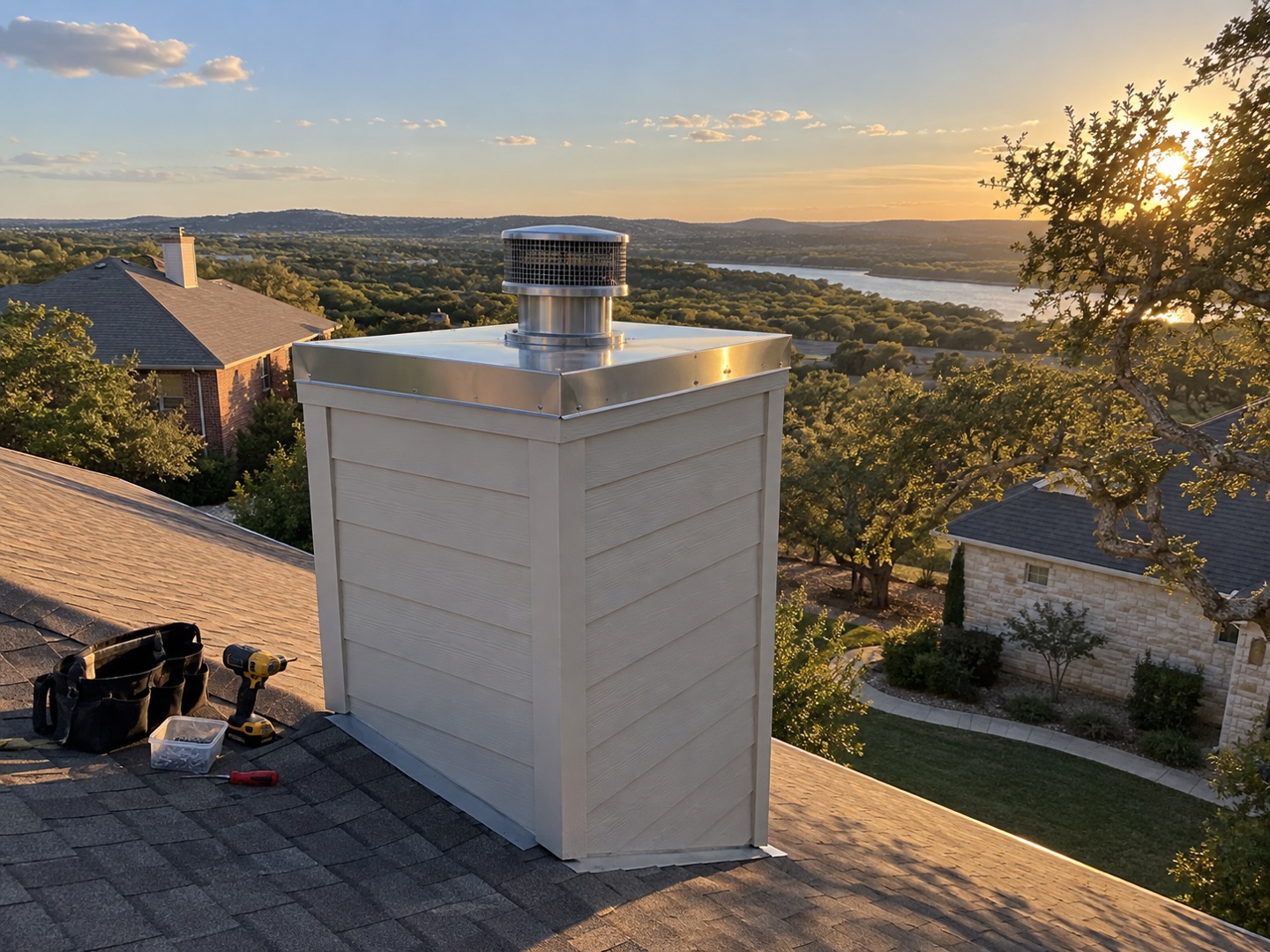
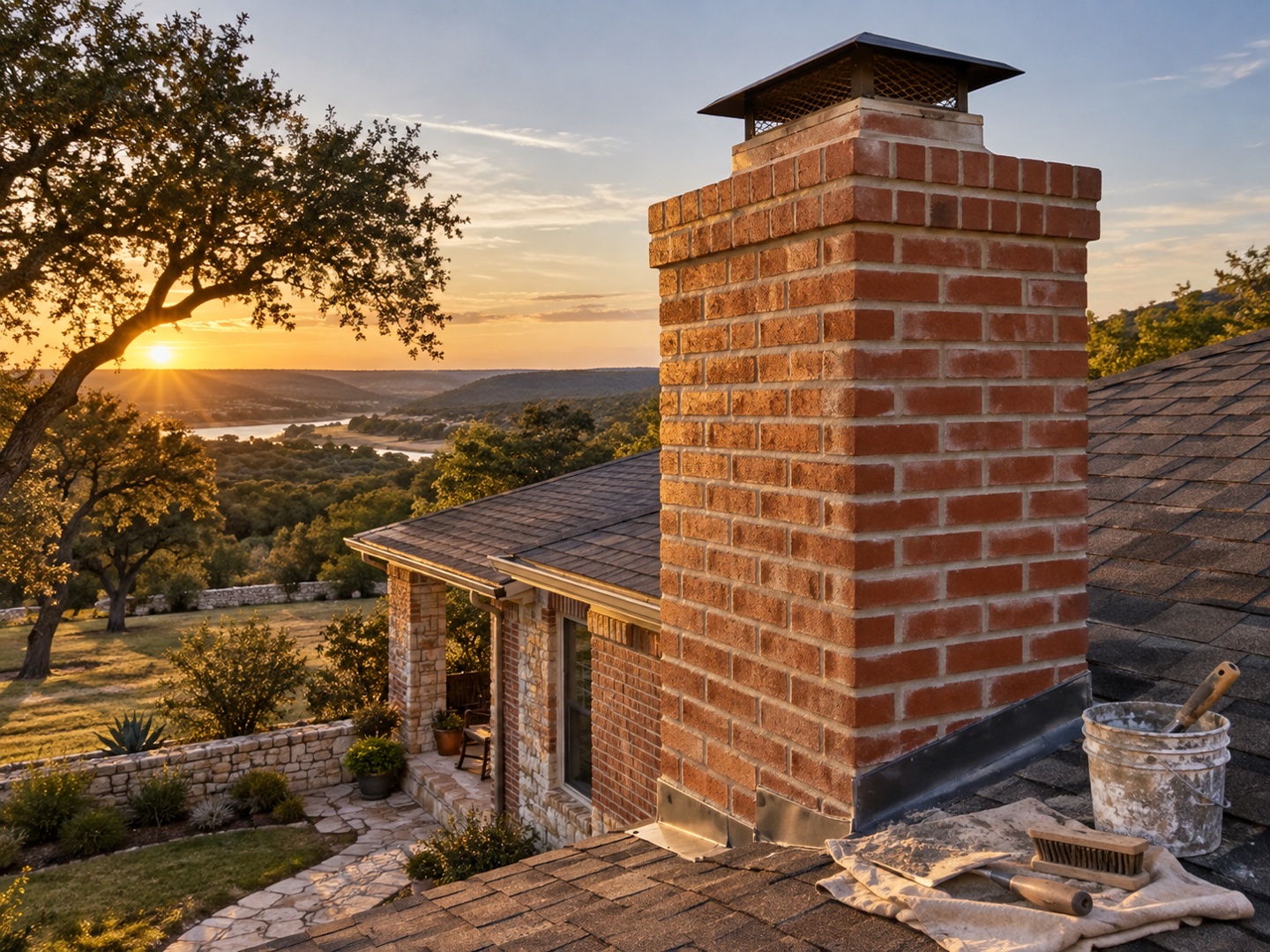
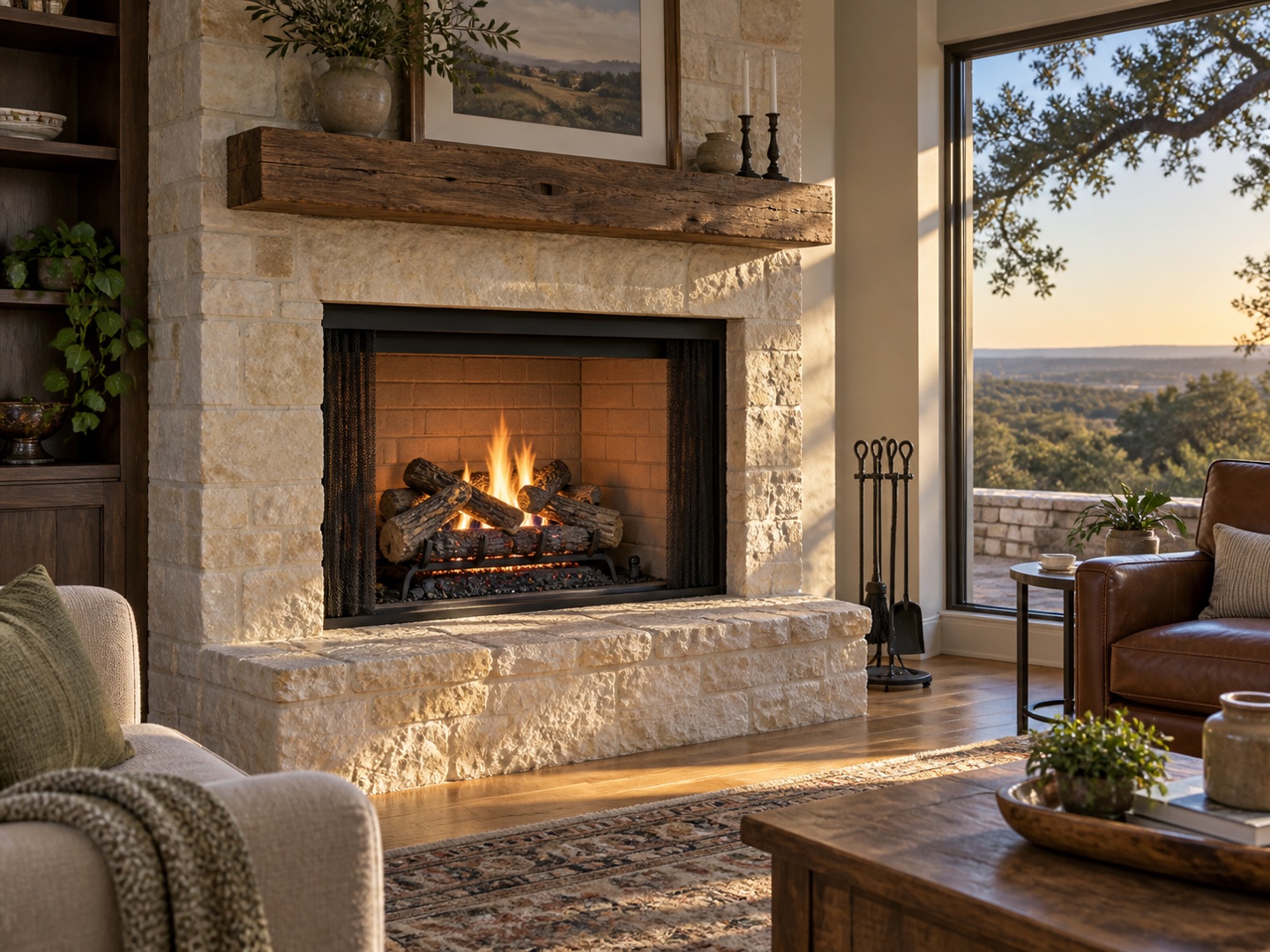
Illustrative examples of the work described here. More in our disclaimer.
Why systems struggle in Jacksonville
What a chimney in Jacksonville needs depends less on the house than on what has been done to it. A stack that has been capped, pointed and kept dry outlives one that has not by decades, and most of the difference is water rather than use.
49% of homes in Jacksonville heat with electricity, so a fireplace here is used by choice rather than by necessity and tends to be inspected far less often. (US Census ACS 2022)
The work we see most in Jacksonville
Most chimney work in Jacksonville follows the same pattern: water that has been getting in for years and only announced itself recently. Chimneys fail slowly and invisibly — the stain on the ceiling is the end of the process, not the beginning of it.
When to book work in Jacksonville
Demand in Jacksonville arrives all at once. It is quiet through spring and summer, and then the first genuinely cold evening fills every schedule within a day — because that is when people light a fire for the first time in months and find out what is wrong. Booking in the quiet months buys a shorter wait and a real choice of company.
Areas we cover in Jacksonville
We work throughout Jacksonville, including the areas around Craft, Cuney Boundary, Frankston Boundary and Maydelle Boundary.
Chimney in Jacksonville — FAQs
How much does chimney work cost in Jacksonville?
It depends entirely on what the chimney turns out to need, and the spread is wide. Sweeping, an inspection, a cap or a damper repair are the inexpensive end and are usually done in one visit. Relining, rebuilding above the roofline and full crown recasting are the expensive end. Nobody can quote it honestly over the phone, which is why the inspection comes first. The contractor you are introduced to sets their own prices and agrees them with you directly.
Do you cover all of Jacksonville?
Yes — all 1 ZIP codes in Jacksonville and the surrounding towns. Tell us where you are and we put you in touch with a company that covers it.
How quickly can someone get to me in Jacksonville?
For a routine inspection or sweep, usually within a few days, and sooner outside the fall rush. Late spring through early fall is the quiet season and the easiest time to book. If you have had a chimney fire, or you can smell gas or have a carbon monoxide alarm sounding, that is not a scheduling question — leave the building and call emergency services from outside.
My fireplace smokes into the room. What is wrong?
Several possible causes, and they need different work. A blocked cap or arrestor, a damper not opening fully, a smoke chamber that was never parged, a flue too small for the fireplace opening, or a chimney too short relative to the roof around it. A house sealed tight enough to run under negative pressure will also pull air down the flue. An inspection separates them; guessing does not.
Should the chimney be repaired or rebuilt?
It depends how far the damage goes. If a key scrapes mortar out but the brick is intact, that is repointing. Once brick faces have flaked through, a brick can be rocked by hand, or the stack leans, repointing has nothing sound to bond to and a rebuild is the honest answer. Most rebuilds stop at the roofline, because that is the section taking weather from every side.
Do you charge for a quote in Jacksonville?
There is no charge to you at any point. What a company charges to attend or to carry out an inspection is theirs to set, so agree it with them before they come out. An inspection is a real piece of work with a written report attached, and it is reasonable for it to be chargeable.
How often should a chimney be inspected?
Annually, whatever it vents — that is the NFPA 211 standard and it covers gas and oil appliances as well as wood. Sweeping frequency is separate and depends on what and how much you burn. An appliance used twice a year still needs the annual look, and those are the ones where neglected faults turn up.
Do we need a chimney liner?
If a camera survey finds cracked tile, washed-out joints or a separated liner, yes. You also need one whenever the flue is the wrong size for the appliance now venting into it, which is the common case after any change of fuel or appliance. A liner is sized from the appliance manufacturer venting tables, not from what happens to fit down the chimney.
What does a Level 2 inspection include?
Everything in a Level 1 visual check, plus a camera survey of the entire flue and an examination of accessible attic, crawl space and basement areas. It is required on a property transfer, on any change of fuel or appliance, and after a chimney fire. A general home inspection does not include it.
Is chimney waterproofing worth doing?
On sound, porous, exposed masonry it genuinely slows the water absorption that destroys brick. On masonry that has already started to flake it is worse than doing nothing, because it traps water behind the damaged face. And it has to be a breathable repellent rather than a film-forming sealant — the film is what causes the damage people then blame on waterproofing.
Chimney issues specific to Jacksonville
Tyler, Longview, Lufkin, Nacogdoches and the Piney Woods
More like the rural South than the rest of Texas. Wood is genuinely burned here — there is timber everywhere and plenty of households use it — so creosote is a real finding rather than a box ticked. The housing is older on average than the metros and more of it is true masonry. Humidity is high year round, which keeps flues damp and accelerates corrosion, and the tree canopy that makes the region what it is also drops debris onto crowns and into unclapped flues continuously.
What we see most in East Texas
- Genuine creosote from wood that is actually burned, not decorative
- High year-round humidity keeping flues damp and corroding metal
- Heavy tree canopy dropping debris into uncapped flues all year
ZIP codes we cover in Jacksonville
- 75766