Independent contractors, licensed in TX

Chimney services across Texas

Chimney and Fireplace Services across Texas

Two things drive most Texas chimney work, and neither is weather. Expansive clay that moves houses and the chimneys bolted to them, and sheet-metal chase covers that rust through and streak the wall below.

  • Inspection and camera survey
  • Chase cover replacement in stainless
  • Masonry repair and movement cracking
A chimney on a Texas home

In Texas the ground moves and the chimney does not

Six regions, and clay under most of them

The clay under much of Texas swells when it rains and shrinks in drought. The house moves with it, and a masonry chimney — heavy, rigid, often on its own footing — moves differently. The result is a chimney pulling away from the wall, a stepped crack running through the mortar joints, or a gap that reopens at the flashing every year. Sealing that gap without addressing the movement buys a season.

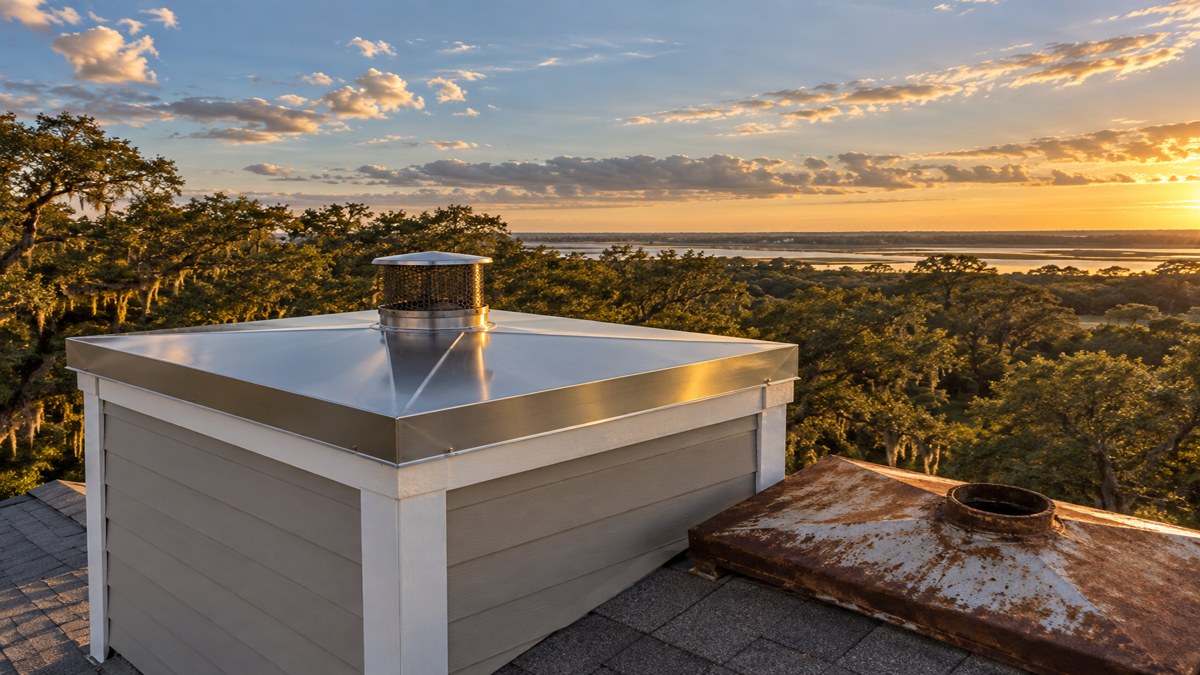
The other is the chase cover. Most Texas chimneys on post-1980 housing are not masonry at all: they are framed chases clad to match the house, with a sheet-metal lid on top. A flat galvanized cover holds water, rusts through from the standing water, and the first sign is orange streaking down the siding. Stainless with a proper cross-break does not do that.

  • Inspection and camera survey
  • Chase cover replacement in stainless
  • Masonry repair and movement cracking
  • Gas fireplace and log set service

How it works

Three steps, no obligation at any of them.

  1. 1

    Call and tell us what is wrong

    Describe the problem and give us your ZIP code. We match you with a chimney company covering your area — there is nothing to fill in and no charge to you — the contractor pays us, which is how it stays free at your end.

  2. 2

    A local contractor gets in touch

    A local chimney company contacts you to discuss the problem and arrange a visit. What they charge to attend or diagnose is theirs to set, so agree it with them up front.

  3. 3

    You decide

    Book the work, wait a season, or get a second quote. There is no obligation to go ahead with the contractor we introduce you to, and no charge to you either way.

What is worth knowing before you call anyone

Four things worth knowing first

Texas has no state chimney license, so check differently There is no number to look up. CSIA certification is the recognized technical credential and the institute publishes a free directory. Ask for a certificate of current general liability insurance in the company name. Where the work touches gas piping, that portion is licensed work in Texas even though chimney work is not.
Most chimney cracking here is soil, not weather Expansive clay swells when wet and shrinks in drought, and a heavy rigid chimney on its own footing moves differently from the house beside it. A stepped diagonal crack through the mortar joints is movement. Repointing it without understanding why it moved means repointing it again.
The rust streaks are the chase cover, not the chimney Most Texas chimneys on post-1980 housing are framed chases with a sheet-metal lid. A flat galvanized cover ponds water, rusts through from the middle, and stains everything below. A stainless cover with a cross-break so water drains fixes it permanently, and it is not an expensive part.
Gas log sets need annual service and almost never get it Burner ports block, pilot assemblies collect dust and spiders, thermocouples fail, and the damper is usually clamped part-open for the conversion and then forgotten for a decade. A yellow or sooting flame is a combustion fault worth acting on straight away rather than at the end of the season.

Where we cover

Check your town

Do we cover your area?

Enter your ZIP code — we serve 1,373 ZIP codes across Texas.

Questions

Frequently asked

Why is there a gap between my chimney and the house?
Almost always soil movement rather than the chimney failing. Expansive clay swells and shrinks with moisture, the house and the chimney respond differently, and the joint between them opens. It matters because the gap lets water in behind the flashing. Fixing the symptom without understanding the movement means doing it again next year.
What are the orange streaks running down my chimney?
Rust from the chase cover on top, not from the brick or the siding. A flat galvanized cover holds water in the middle, corrodes through, and the runoff stains everything below. A stainless replacement with a cross-break so water drains is the permanent fix.
Do gas logs need servicing?
Yes, annually, and they are the most commonly neglected appliance in Texas. The pilot assembly collects dust and spiders, the burner ports block, and the damper is frequently clamped part-open for the gas conversion and then forgotten about entirely. None of it is visible until it misbehaves.
How often should a chimney be inspected in Texas?
Once a year, the same national standard as anywhere else, and it applies to gas appliances too. Actual sweeping frequency depends on what you burn — in East Texas, where wood is genuinely used, that is a real annual job; in San Antonio a decorative gas set needs service rather than sweeping.
A storm took my chimney cap off. Does it matter?
Yes. An open flue collects rain, nesting birds and debris, and in Texas that happens fast. Water sitting in a flue also corrodes the damper and the firebox. Replacing a cap is inexpensive and it is worth doing before the next storm rather than after.
Does a factory-built fireplace need different work from a masonry one?
Completely different. A factory-built firebox is a manufactured appliance with a service life and a parts list — a cracked refractory panel is replaced with that manufacturer’s panel, not patched with mortar. Most Texas housing built since 1980 has one of these rather than masonry, and treating it as masonry is how people get it wrong.
What does it cost?
It depends on what is found, and no honest quote happens over the phone. The contractor you are introduced to sets their own prices and agrees them with you directly. Ask what an inspection costs before they attend.

Tell us what it is doing

We will put you in touch with a licensed contractor covering your town. Free to use, and no obligation at any point.

Call now How it works